
Calabria. Birthplace of my great-grandmother (bisnonna), and many many generations of her ancestors. It stretches from the heel of the boot (Puglia) to the toe, the most southern part of mainland Italy, and is bordered by the Tyrrhenian Sea to the west and the Ionian Sea to the east. Through experiences made possible by Made in Calabria, I immersed myself in the culture of Catanzaro and Cosenza provinces for nearly ten days.
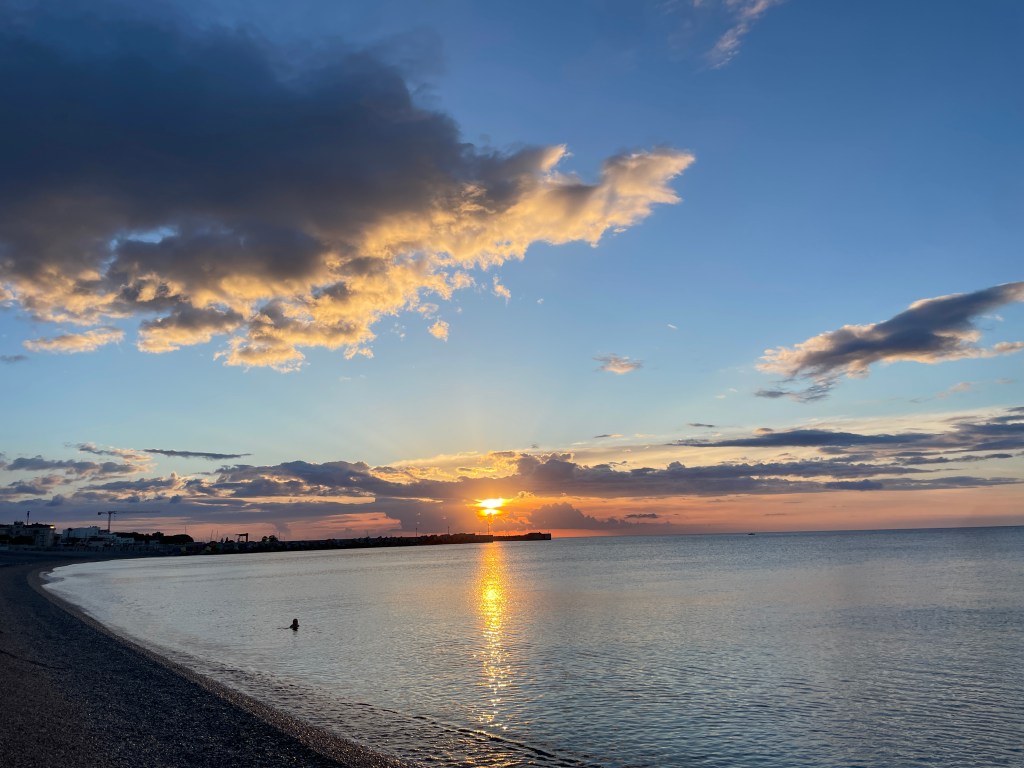
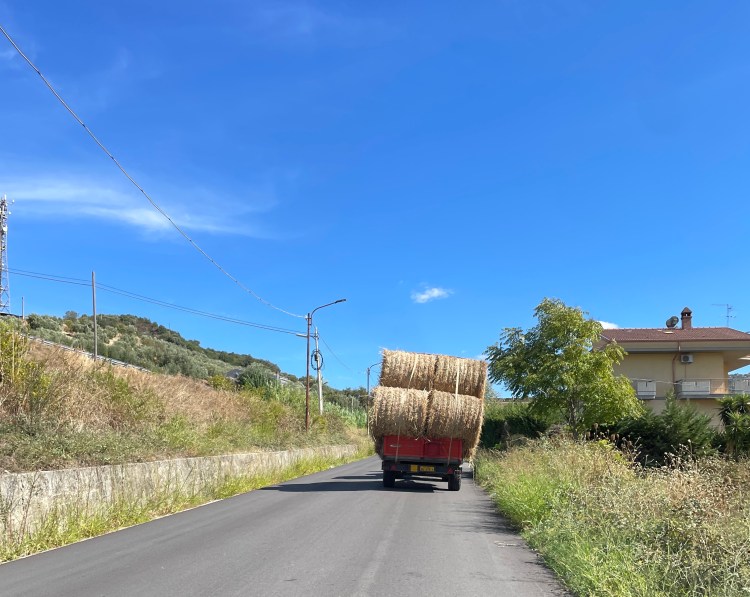
I spent my first four nights in Catanzaro Lido, on the seaside. My hotel room had a lovely view of the Ionian Sea and yes, I did go swimming even though the beach was covered in small-ish rocks – ouch! My first full day was spent journeying to Acri in Cosenza – a 1 1/2 hour drive north. Acri, much to my surprise, was quite a large city – 20,000 residents – with roads that twisted and turned up the mountainside. One of my goals was to see if a family story was indeed true – that my bisnonna Maria Bonacci lived in a convent after the death of her parents. Since her mother did not pass away until she was twenty years old, I had a hard time understanding this scenario.

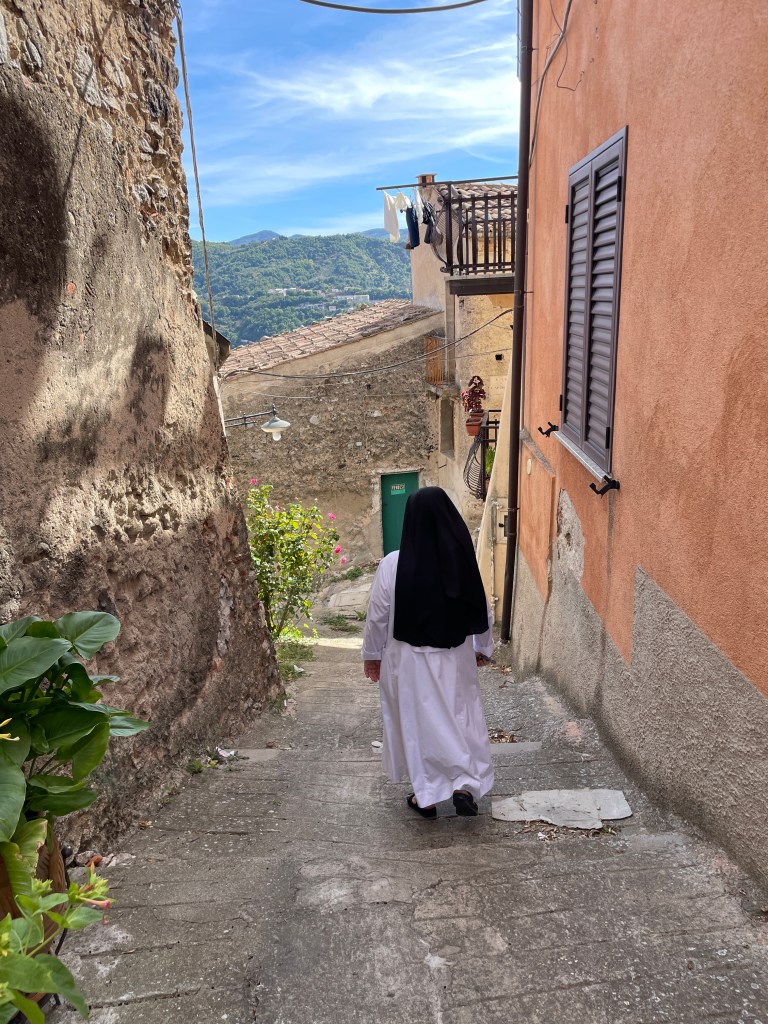
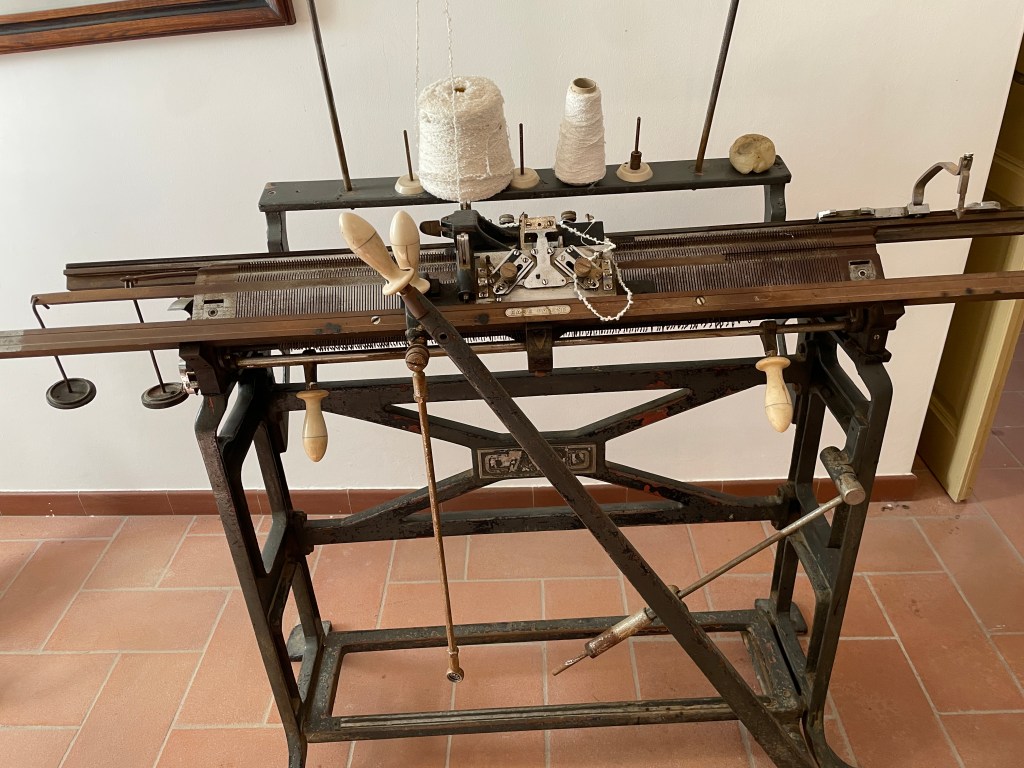
My “guide” Alessia arranged for us to meet a local parish volunteer, Marco Zaretta, who happened to know our photographer, Valentina. He explained that there had been three convents in the city and that the oldest one, established in 1873, might have been where Maria spent some time. He asked the Mother Superior to join us and much to my surprise, not only did she offer to take us to the old convent, but after driving us there in her car!, led us to the small building, now a sort of “convent museum.” It was explained to me that perhaps Maria’s mother did not have enough money to support her, or that she went there daily to learn a trade – spinning – as the textile industry was quite robust in Calabria in the 19th and early 20th centuries.
Next, we set out to meet a third cousin, Bruno, who I had just learned about. Through conversation with Alessia, Bruno and his wife graciously invited us into their home, offered us espresso, and we chatted about how we might be related. I showed them one photo of Maria’s nephew, Giusepppe, who immigrated to the U.S. and was the oldest brother of Bruno’s father, Vincenzo. Giuseppe left Italy before Vincenzo was born so neither Bruno nor I knew of one another. Giuseppe lived with my great-grandmother for several years and the two families remained close throughout their lifetimes.
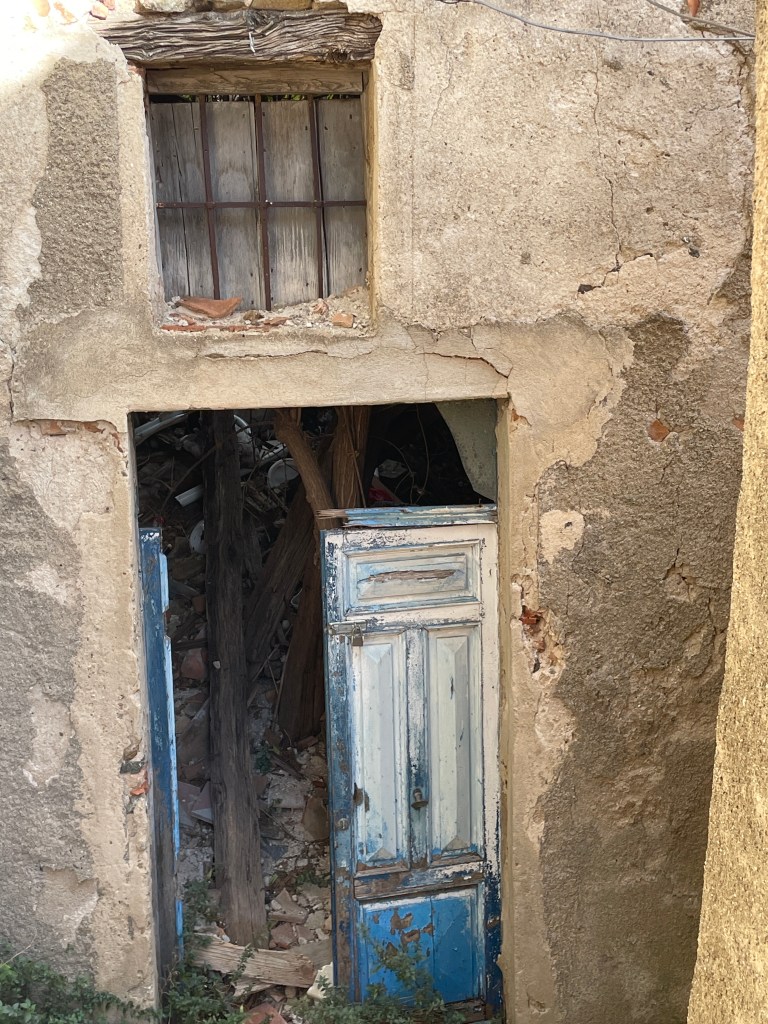
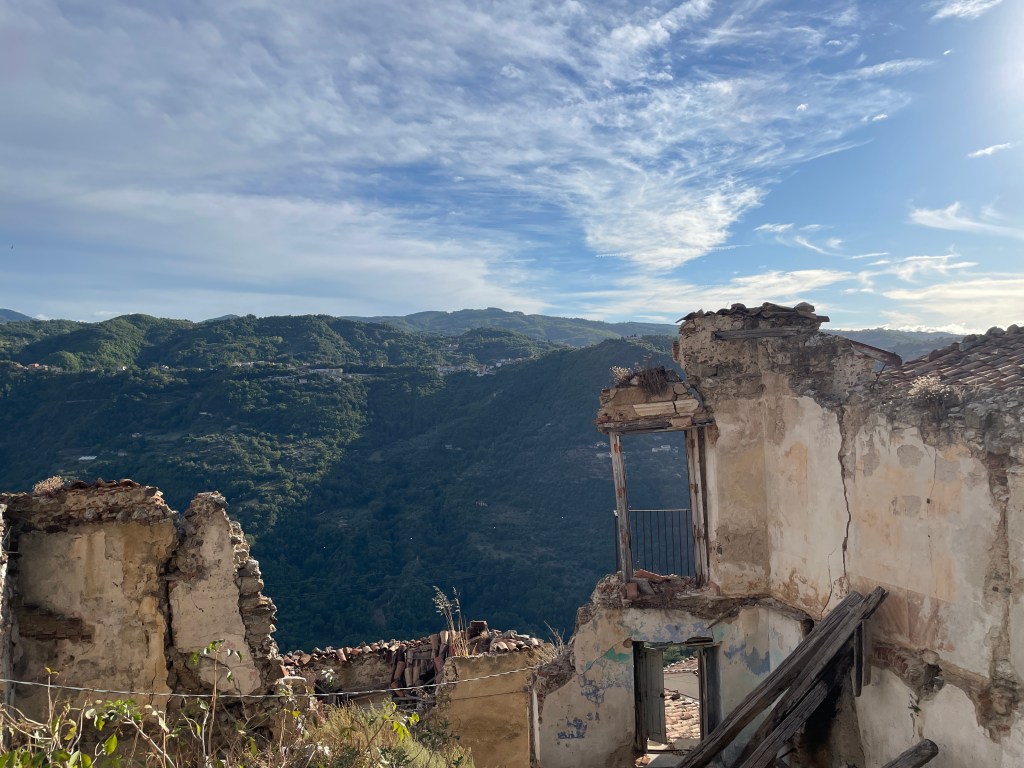
After espresso, the Bonaccis escorted us to the oldest area of the city known as the Picitti neighborhood, now abandoned and left to ruin. It was hauntingly beautiful and sad at the same time. All of the Bonacci families, including Maria’s family, lived in this area for over 50 years, primarily on a “street” called Via Picitti. Standing in the spot where my ancestors spent their lives, walking the same paths that they did, looking at the views of the mountains as they might have with the knowledge that part of me was born in this place was incredibly profound and emotional. And, while this was just day one of my trip, it was by far the most meaningful to me. No words really to describe the depth of the experience. In short, the Bonaccis, Marco, Mother Superior, and the journey with Alessia and Valentina, made my first day in Calabria unforgettable.
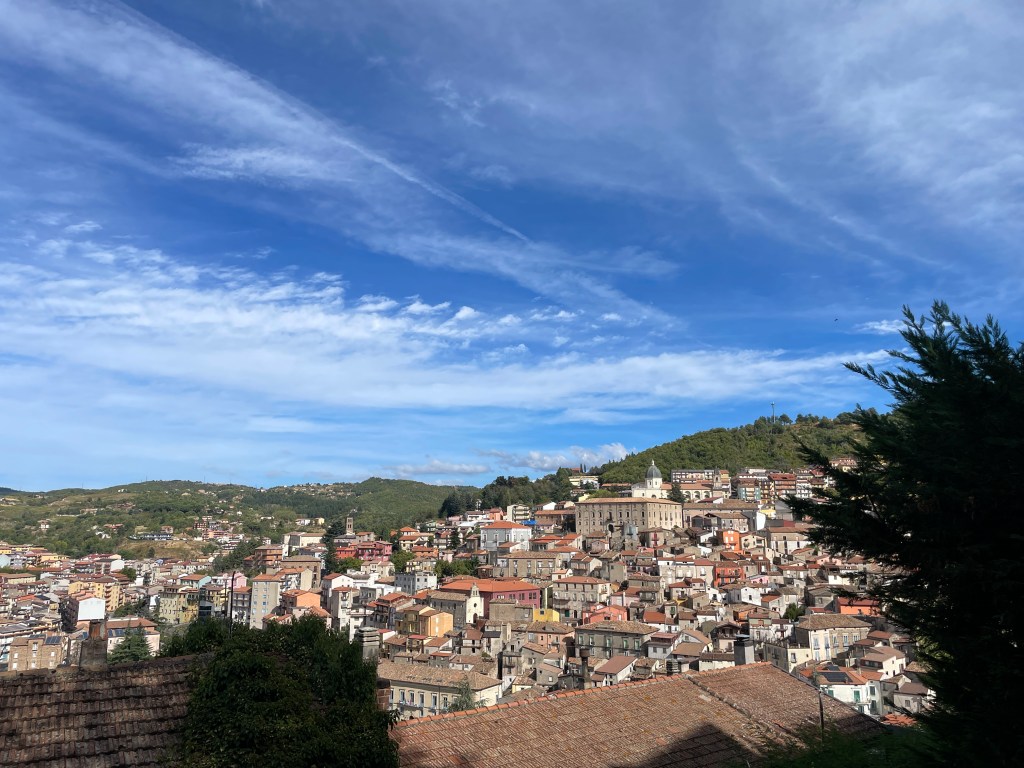
Arrividerci Acri! I hope to return soon to explore more of my Calabrian heritage.
 historicaresearch.com